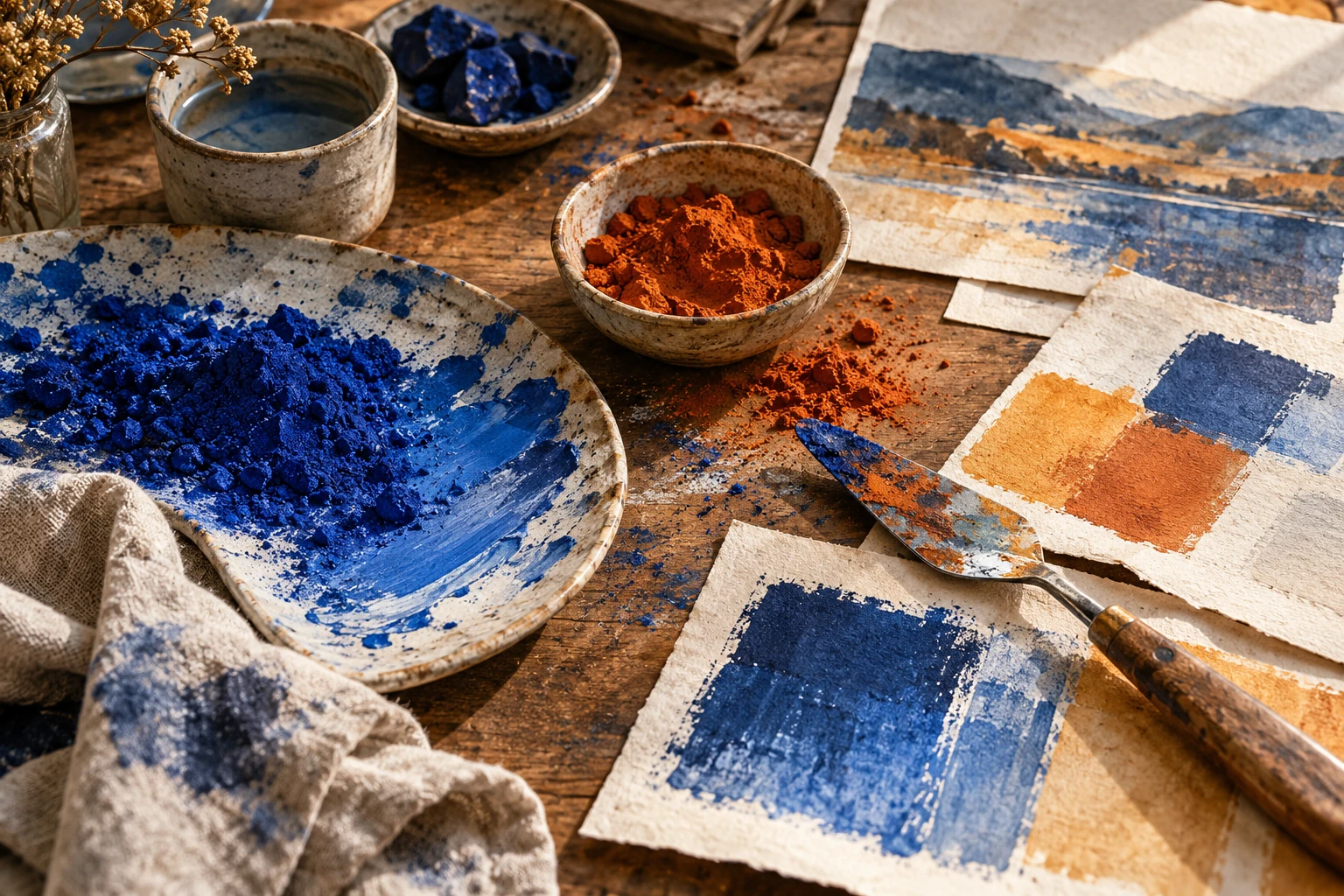
Color theory for beginners: make colors work together
Learn to separate hue, lightness, and intensity, then turn a small set of colors into a readable composition with a clear focal point.
Follow a topic, look up a technique, or find an idea to try.
Learn to separate hue, lightness, and intensity, then turn a small set of colors into a readable composition with a clear focal point.
Compare identity, editorial, packaging, information, environmental, and promotional design through concrete briefs and the different decisions each kind of work requires.
Learn a practical sequence for choosing a text face, setting paragraphs, establishing hierarchy, and refining details using actual content rather than decorative samples.
Start with one ordinary object, compare large shapes and proportions, add a limited value pattern, and use specific observations to plan the next drawing.
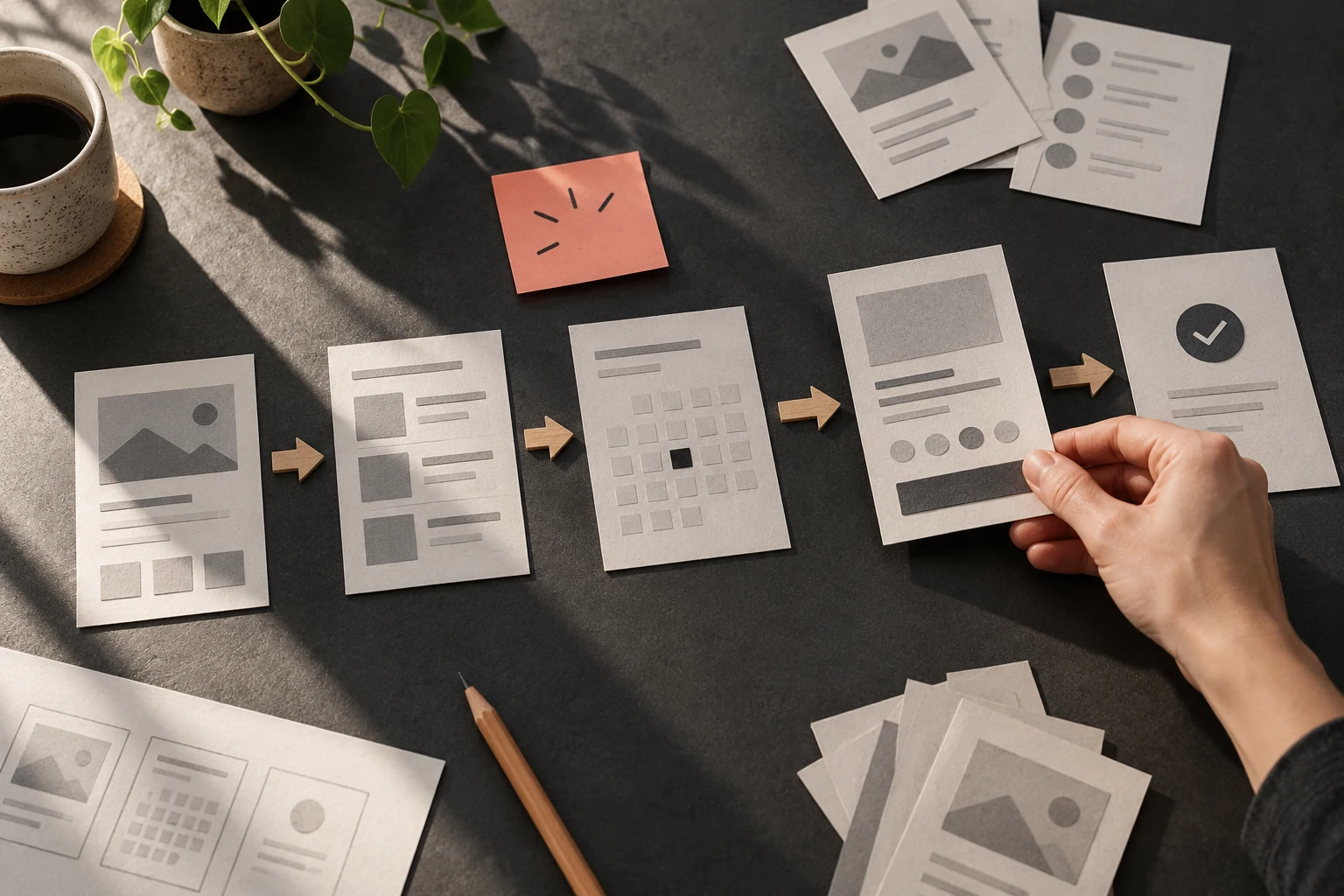
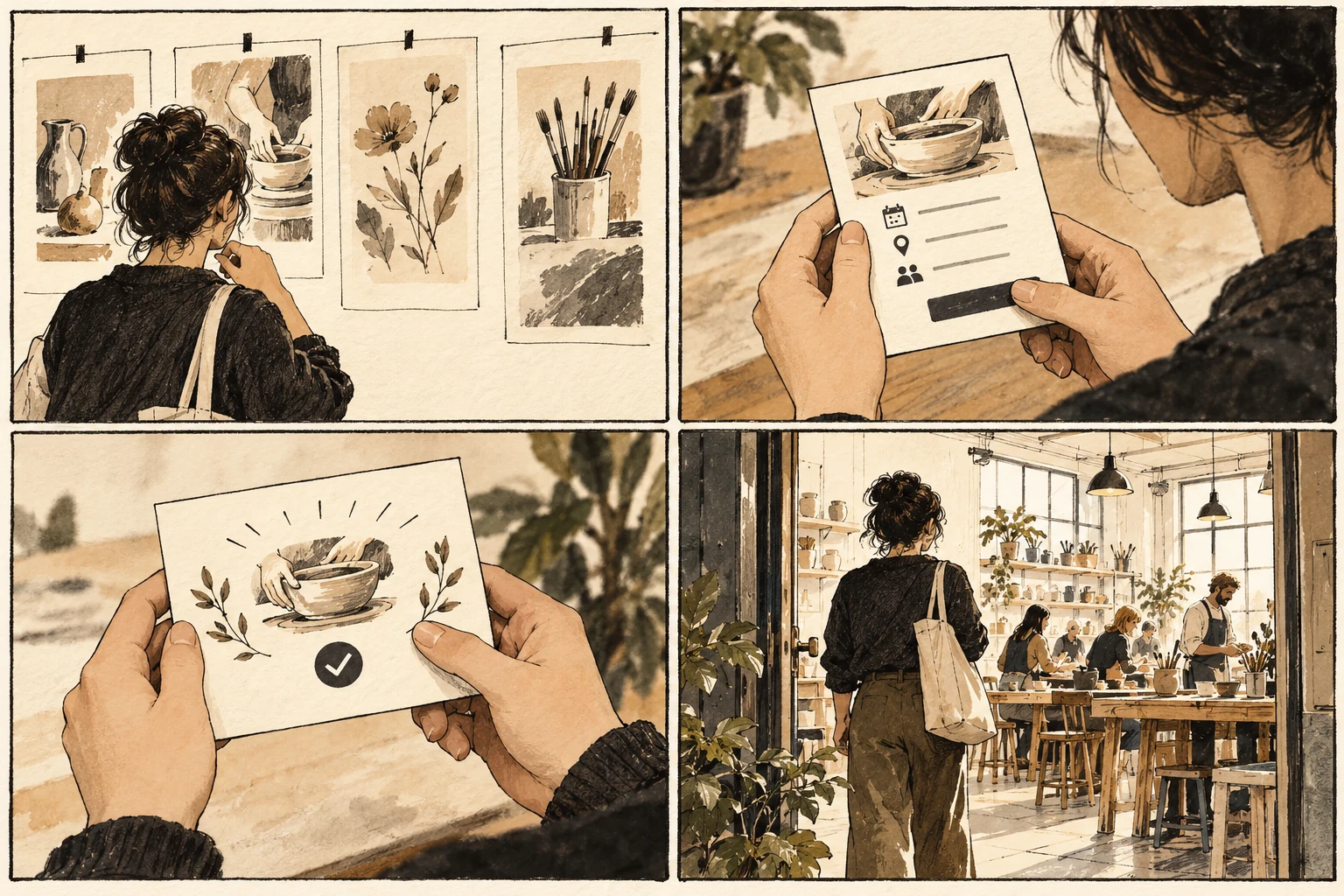
A booking journey makes interaction design tangible: choices, system states, feedback, and recovery all become visible in a small, testable sequence.
Compare digital products, physical objects, and services through a shared studio-membership example, focusing on constraints, deliverables, dependencies, and what a prototype can reasonably answer.
Audit text and interface states through actual foreground-background pairs, then repair weak combinations without relying on color alone or treating one passing sample as a complete accessibility review.
Use a studio-induction problem to practice understanding people, framing an obstacle, exploring options, prototyping, and learning, while treating the sequence as iterative rather than a rigid formula.
Build a small generative sketch by separating a visible rule from its adjustable values, then turn a simple circle study into a repeatable visual experiment.
Compare drawn frames, moved cutouts, photographed objects, and interpolated shapes through one small action, then choose a method that suits the movement you want to make.
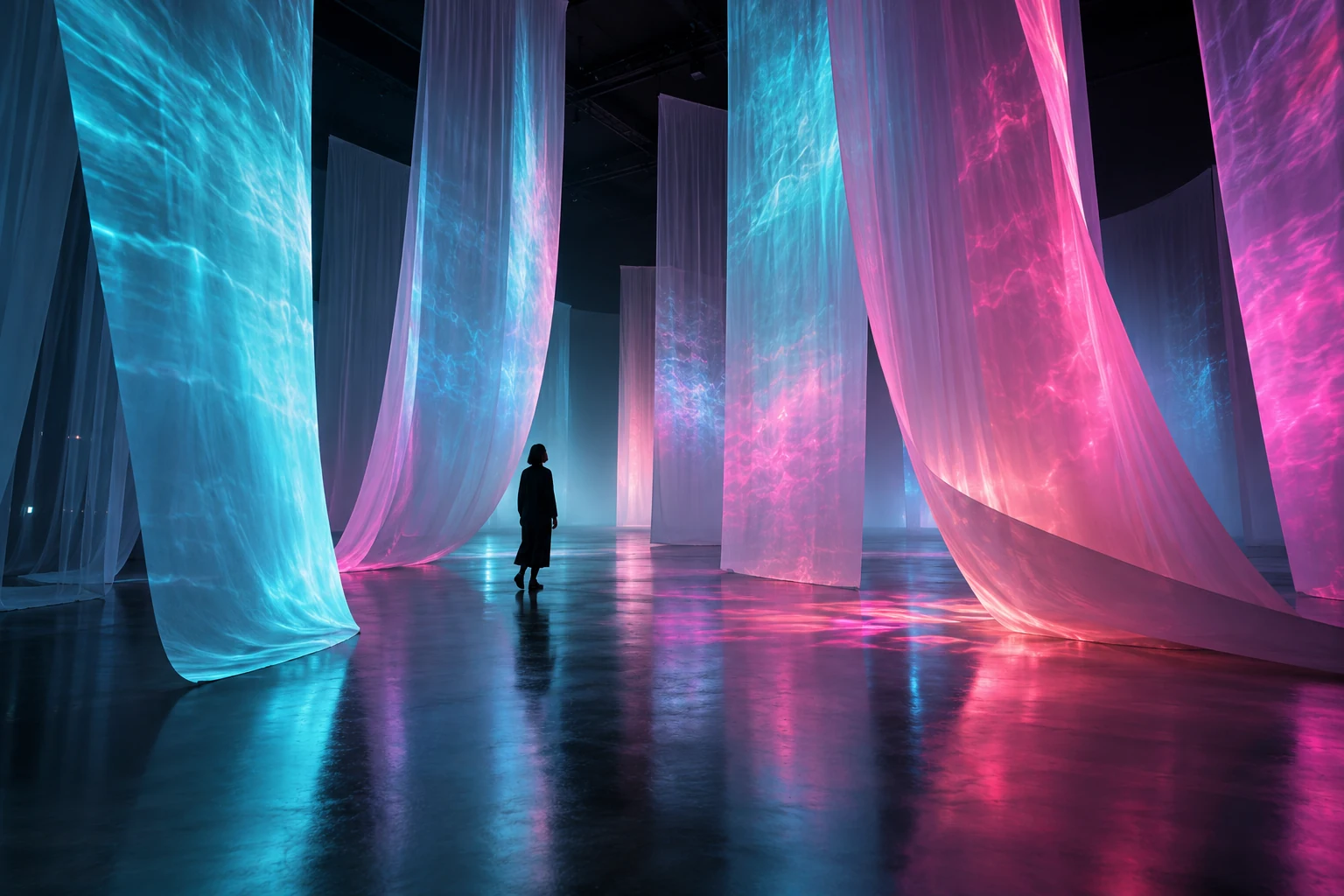
Understand interactive art through the relationship between a participant's action and an artwork's response, then prototype a small piece whose behavior changes how it is experienced.
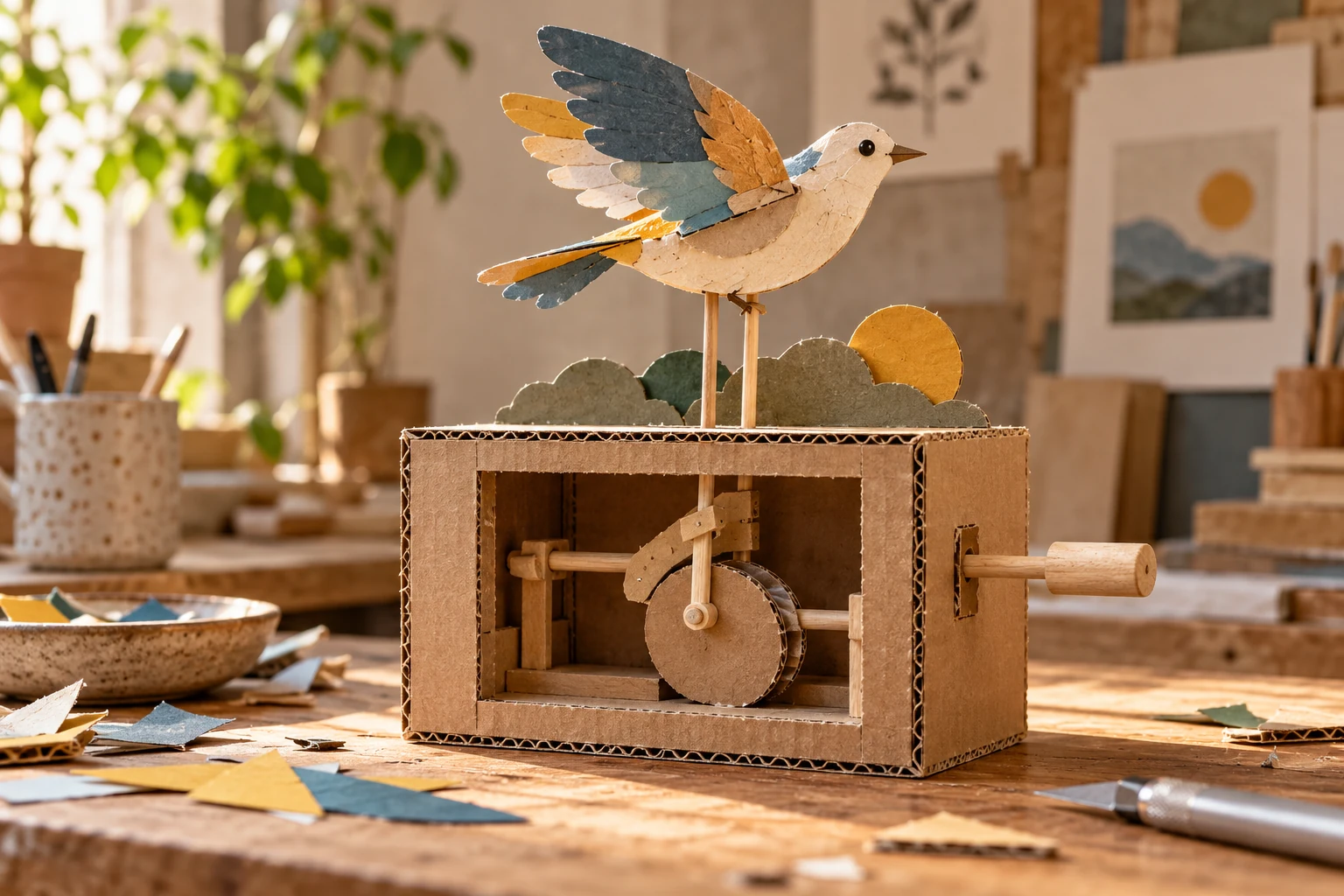
Build a hand-cranked cardboard scene by matching one simple movement to a small narrative, then keep the mechanism exposed until its motion works reliably.
Build a palette from a concrete brief, assign colors to real design roles, and evaluate alternatives without collecting endless unrelated swatches.
Use alignment, proximity, contrast, repetition, and proportion to organize a page, with a diagnosis method for layouts that feel crowded or uncertain.
Compare serif and sans serif designs through real text, character shapes, available styles, and project context instead of treating either category as a universal answer.
Turn everyday subjects into purposeful drawing prompts, vary one challenge at a time, and build a small practice sequence that reveals what to study next.
Distinguish interface behavior from the wider experience by tracing a gallery visit across booking, arrival, attendance, and follow-up without turning job titles into rigid boundaries.
Define a product designer's contribution through a workshop-booking project: framing problems, exploring behavior, coordinating constraints, documenting decisions, and examining the implemented experience.
Choose image alternatives by the purpose of an artwork image, its surrounding text, and the reader's task, using concise examples without inventing visual details or replacing needed long descriptions.
Structure a small workshop around a studio-service question, using preparation, divergent exploration, explicit decisions, and follow-up ownership so the session produces reviewable work rather than a wall of unexplained notes.
Use a repeatable random sequence to explore controlled variation, with a practical method for saving useful outcomes and avoiding a folder of untraceable lucky images.
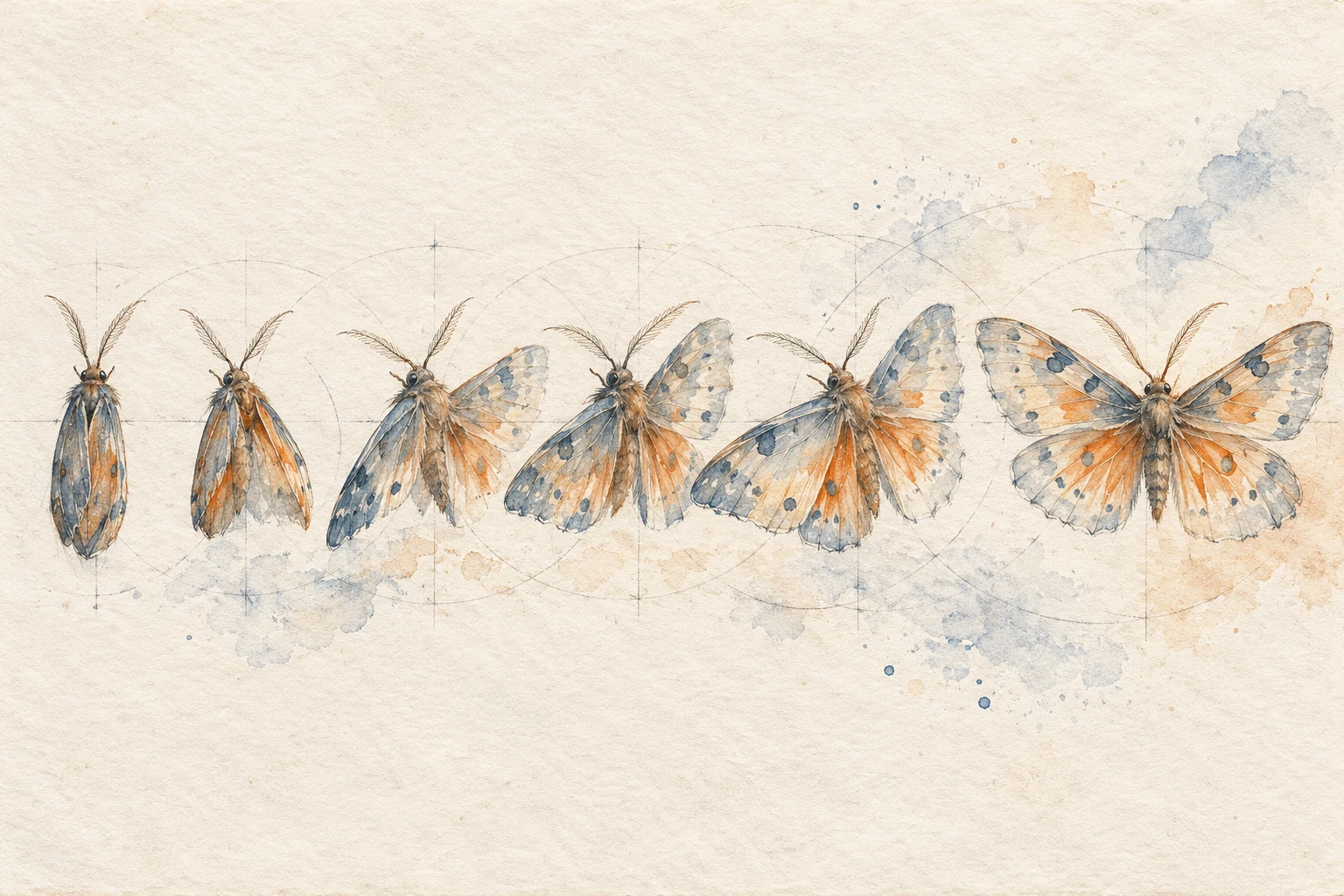
Separate the duration of an action from the distance traveled between its visible positions, using a simple movement study that makes acceleration easy to inspect.
Build a compact interactive artwork by isolating one input and one response, testing the relationship in a rough prototype before adding sensing technology or decorative complexity.
Explore how a cam's shape changes a repeated movement, using interchangeable cardboard profiles and a lightweight follower to compare smooth lifts, pauses, and abrupt changes.