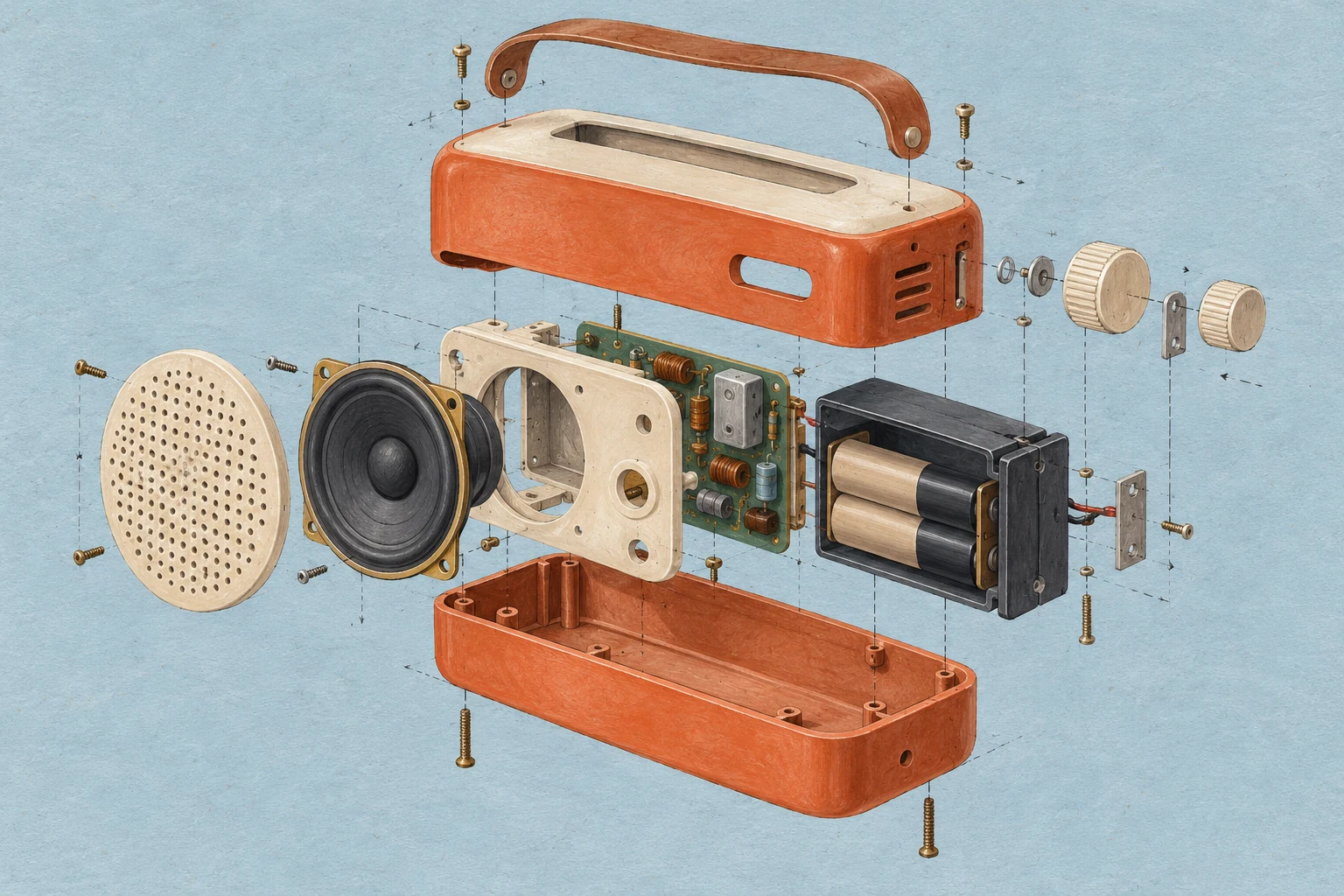
Apple published new iPhone Duo design guidance on 9 September 2026. Use a paper prototype to explore how content, controls, and hierarchy can remain understandable as a foldable interface changes size and pose.
Plan a creative-resource subscription through plan information, renewal, status, cancellation, and access changes, with clear consequences and operational rules rather than promotional ambiguity.
Compare digital products, physical objects, and services through a shared studio-membership example, focusing on constraints, deliverables, dependencies, and what a prototype can reasonably answer.
Turn a broad request to improve an art-school resource library into a focused statement of people, circumstances, obstacles, consequences, and unanswered questions without prescribing a solution.
Map a materials marketplace across listing, discovery, agreement, fulfillment, disputes, and status changes so buyer and seller needs remain connected throughout the exchange.
Structure a creative-service account around profile, communication, access, and data tasks, with clear save behavior, sensitive-change verification, confirmation, and reliable return paths.
Compare creative workshop options through meaningful attributes, consistent definitions, missing information, total commitments, and narrow-screen reading without turning the page into an unexplained feature checklist.
Create a content plan for a materials-loan service that connects decisions, source ownership, updates, interface states, and retirement so guidance remains useful beyond the launch page.
Compare studio-booking improvements using task importance, uncertainty, dependency, effort, and recovery impact, then record the assumptions behind the order instead of trusting an unexplained score.
Connect a creative resource service's purpose, audience situation, chosen problems, capabilities, and tradeoffs so that feature decisions follow a direction rather than a growing wish list.
Document a studio cancellation feature through its problem, scope, rules, states, dependencies, and acceptance conditions so designers and implementers can resolve the same task.
Scope a studio-loan product around one complete borrowing task, including availability, agreement, receipt, and support, while deferring features that do not resolve the central uncertainty.
Make a studio-loan service trustworthy through accurate status, clear responsibility, understandable conditions, proportionate data requests, and recovery routes that the operation can actually deliver.
Define measurement for a workshop-booking improvement by separating outcomes, events, denominators, failure signals, and research questions without fabricating performance claims or equating clicks with success.
Set practical rules for proposing, reviewing, documenting, changing, and retiring shared interface patterns without letting a small design system become a barrier to useful product work.
Investigate a studio-equipment booking idea by separating observed problems, assumptions, operational limits, and solution options before deciding what deserves a prototype or further research.
Map a booking across visitor actions, visible communication, staff work, systems, and handoffs to find responsibilities and recovery gaps that a screen-by-screen journey may miss.
Build a roadmap for a community studio service by connecting desired outcomes, evidence gaps, dependencies, and review points while separating commitments from exploratory possibilities.
Define a product designer's contribution through a workshop-booking project: framing problems, exploring behavior, coordinating constraints, documenting decisions, and examining the implemented experience.