The Design Museum’s The Nue Black Aesthetic opened on 6 November 2026. Use its multi-section approach as a prompt to design an exhibition path that makes room for distinct practices without treating a group as a single story.
Build a small SVG illustration in a logical coordinate system, then choose how that drawing should meet square, wide, and cropped frames. Learn what viewBox and preserveAspectRatio actually control.
Figma opened code layers in open beta on 15 October 2026. Use a small prototype to compare behavior, empty and error states, and design alternatives before polishing the interface.
Apple published new iPhone Duo design guidance on 9 September 2026. Use a paper prototype to explore how content, controls, and hierarchy can remain understandable as a foldable interface changes size and pose.
Plan a compact zine as both a sequence of pages and a sewn paper object. A three-hole pamphlet stitch keeps the construction simple while the layout considers the fold, gutter, and reading order.
Figma opened 3D transforms in beta on 12 November 2026. Use a small poster study to judge when perspective clarifies hierarchy, when it distorts reading, and what should remain flat.
W3C published a new WCAG 3.0 Working Draft on 10 September 2026. Learn how to inspect its evolving requirements and use them to ask better design questions while keeping current WCAG 2 obligations clear.
Design keyboard focus as a visible state that can be followed through an interface. Shape the indicator, test its contrast and placement, and check that fixed layers do not hide the control receiving focus.
Plan a two-ink Risograph poster as a pair of printable layers. Use overlap, separation, and generous proofing to make the color relationships intentional while leaving room for the character of the printing process.
Adobe announced Firefly Design beta at MAX on 10 November 2026, bringing vector, raster, motion, and 3D work into one canvas. Use a small, repeatable design task to judge whether a unified workspace helps your process and where your own review still matters.
Design charts and diagrams so readers can find the main message, inspect the underlying relationships, and reach an equivalent explanation without depending on color or a short image label.
Build a workshop-registration form with persistent labels, grouped questions, useful hints, clear requirements, and programmatic relationships, then check the task without relying on placeholders or proximity alone.
Compare independent variation with neighboring variation in a controlled line study, and choose a generator according to the kind of visual relationship your artwork needs.
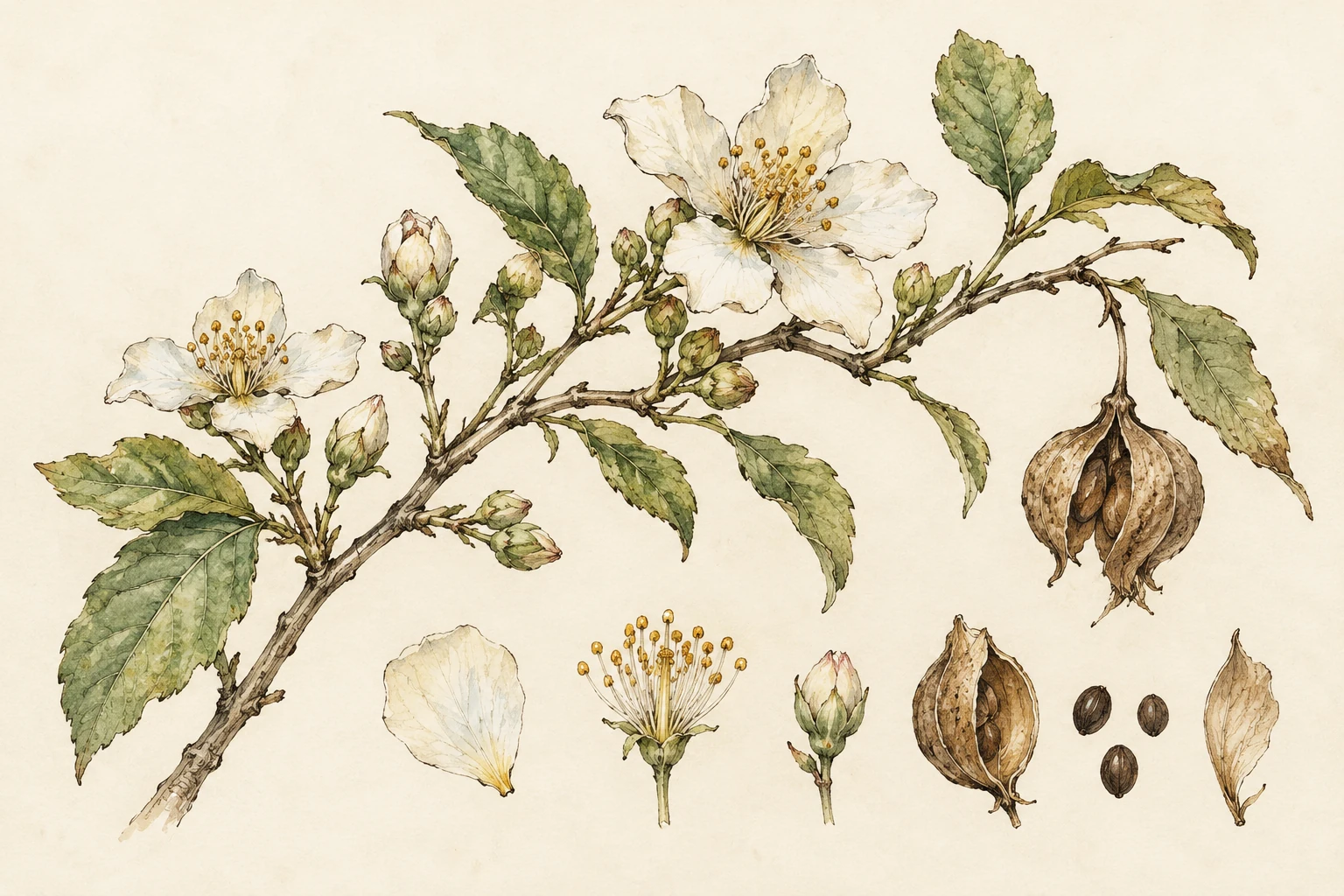
Map the flower’s direction, center, petal groups, and overlaps, then add selective detail without turning every bloom into a perfectly symmetrical symbol.
Plan a creative-resource subscription through plan information, renewal, status, cancellation, and access changes, with clear consequences and operational rules rather than promotional ambiguity.
Plan a small wearable artwork around a sewable low-voltage light module, keeping conductive paths separated and the electrical assembly removable for inspection and care.
Build a small generative sketch by separating a visible rule from its adjustable values, then turn a simple circle study into a repeatable visual experiment.
Build a small sculptural form from interlocking card profiles, adjusting slot fit and grain direction before applying surface detail or extending the structure.
Translate an image you own into a field of marks by sampling brightness, keeping image coordinates, output spacing, and mark behavior under separate control.
Observe the tilt, width, openness, and centerline of ellipses, then connect them into believable cylindrical forms without pointed ends or unrelated axes.
Plan a workshop-booking study through research questions, participants, realistic tasks, consent, logistics, observation, and analysis while keeping claims proportionate to the work actually performed.
Build a paper-prototype kit with screen frames, state labels, reusable controls, content cards, and a response map while avoiding a template that silently dictates the design.