Drawing for beginners: learn from a simple object
Start with one ordinary object, compare large shapes and proportions, add a limited value pattern, and use specific observations to plan the next drawing.
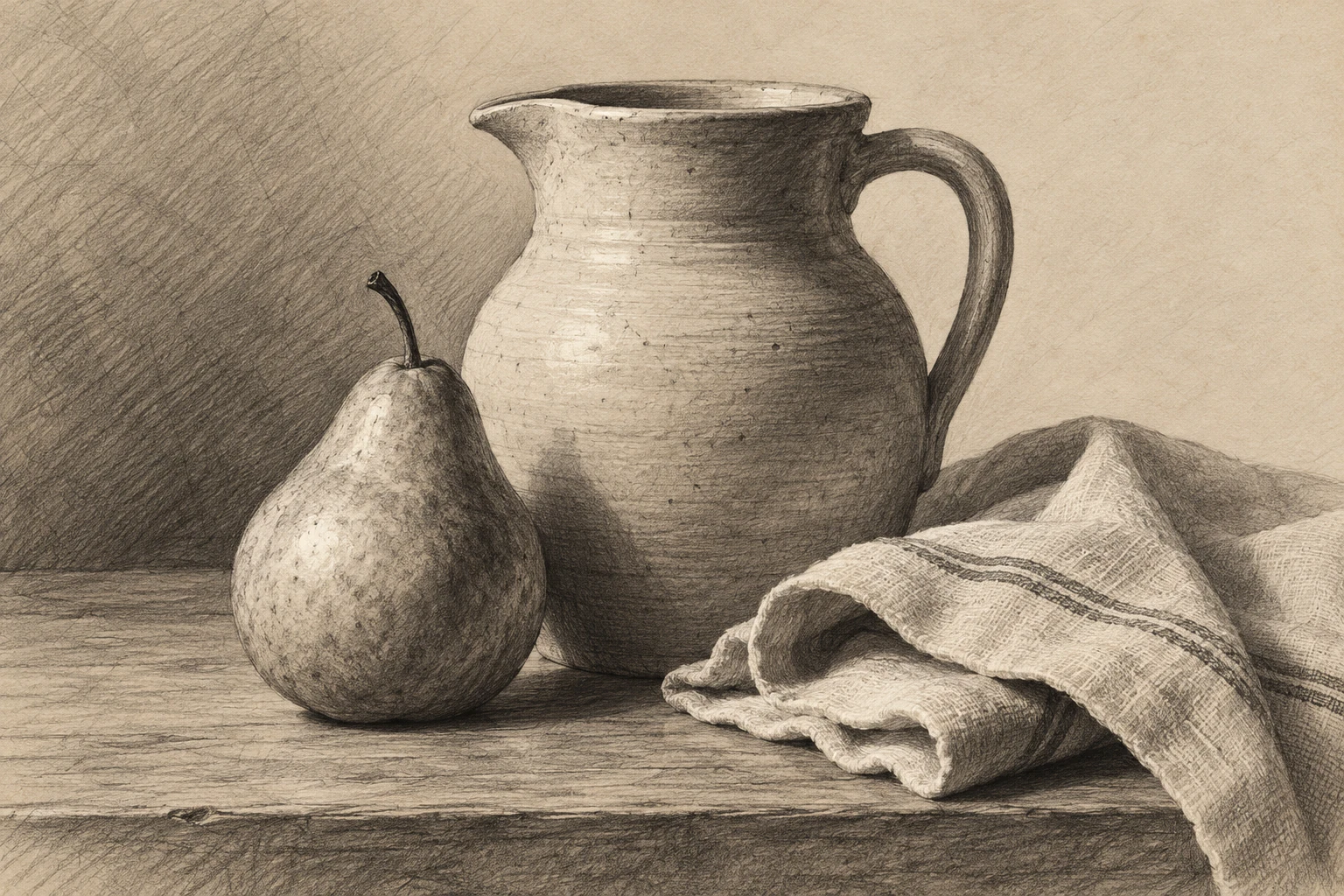
Start with one ordinary object, compare large shapes and proportions, add a limited value pattern, and use specific observations to plan the next drawing.
Turn everyday subjects into purposeful drawing prompts, vary one challenge at a time, and build a small practice sequence that reveals what to study next.
Use slow edge observation, selective interior lines, and occasional blind studies to improve attention and proportion while keeping the drawing connected to the actual subject.
Look for the main movement, weight, and connected masses in a pose, then use short studies to avoid stiff outlines and disconnected body parts.
Observe the large light and shadow groups, control pencil pressure and layers, and distinguish form shadows from cast shadows before blending fine transitions.
Control line direction, spacing, layering, and edge quality to describe value and form, while keeping a drawn texture from overwhelming the subject.
Set a fixed viewpoint, use one vanishing direction for receding parallel edges, and check a simple room before adding furniture, decoration, and shading.
Use two vanishing directions for a level-view corner setup, avoid cramped convergence, and troubleshoot box geometry before turning it into a building or object.
Observe the tilt, width, openness, and centerline of ellipses, then connect them into believable cylindrical forms without pointed ends or unrelated axes.
Use envelopes, landmarks, angles, and negative shapes to check observed proportions, then correct the largest discrepancy before refining the drawing.
Set up a small group with clear overlaps and light, plan the large composition, and develop a still life without losing the relationship among its objects.
Observe a particular head rather than a generic face formula, locate the major feature relationships, and use restrained value shapes to build a coherent portrait study.
Simplify a hand pose into connected forms, compare finger groups and visible joints, and use overlap and empty shapes to avoid stiff, equally spaced fingers.
Observe the overall crown, trunk direction, branch groups, and light-dark masses, then suggest foliage with selective marks appropriate to the tree’s distance and character.
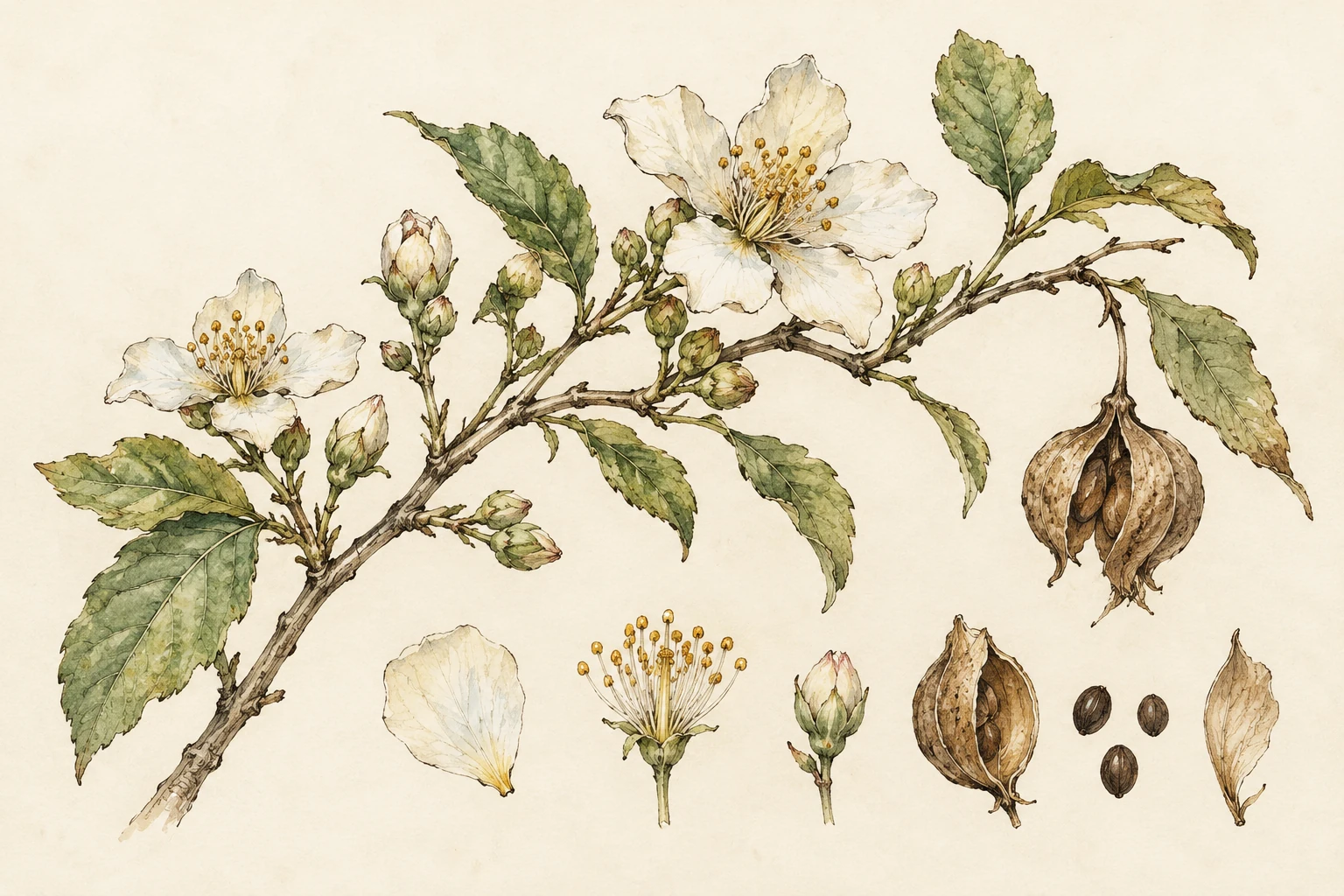
Map the flower’s direction, center, petal groups, and overlaps, then add selective detail without turning every bloom into a perfectly symmetrical symbol.
Develop an original character from an action and role, test its silhouette and expressive range, and build a small reference sheet that supports consistent illustration.
Identify the argument behind a brief, generate visual metaphors from relationships, and test whether an original illustration adds meaning beyond repeating the headline literally.
Prepare a readable sketch, choose a line treatment for the final size, and use digital layers and restrained smoothing to refine contours without polishing away useful character.