Types of animation: choose a method for a tiny film
Compare drawn frames, moved cutouts, photographed objects, and interpolated shapes through one small action, then choose a method that suits the movement you want to make.
Let the action choose the medium
Choosing an animation method is easier when you have a specific action to communicate. A paper square unfolding into a bird asks different questions from a rigid box sliding across a table. Begin with the action and material, then choose the tools that can express their changes convincingly.
Stage one event in three animation methods
Storyboard a three-second event using only a beginning, a change, and a result. Try a rough version as drawings, another with cut paper, and another with a single digitally moved shape. Keep the framing identical so each method answers the same visual question.
Make number of visible transformation stages explicit in the working notes before building the full piece. Begin with the smallest version that demonstrates the proposed relationship. Remove secondary decoration while checking its construction. A tiny proof makes incorrect assumptions visible before they multiply across the finished work. A useful acceptance check is whether the action remains understandable without needing a written explanation. Judge that at the intended viewing size or working distance, where tiny construction mistakes and exaggerated effects can have very different consequences.
Find the missing action before changing tools
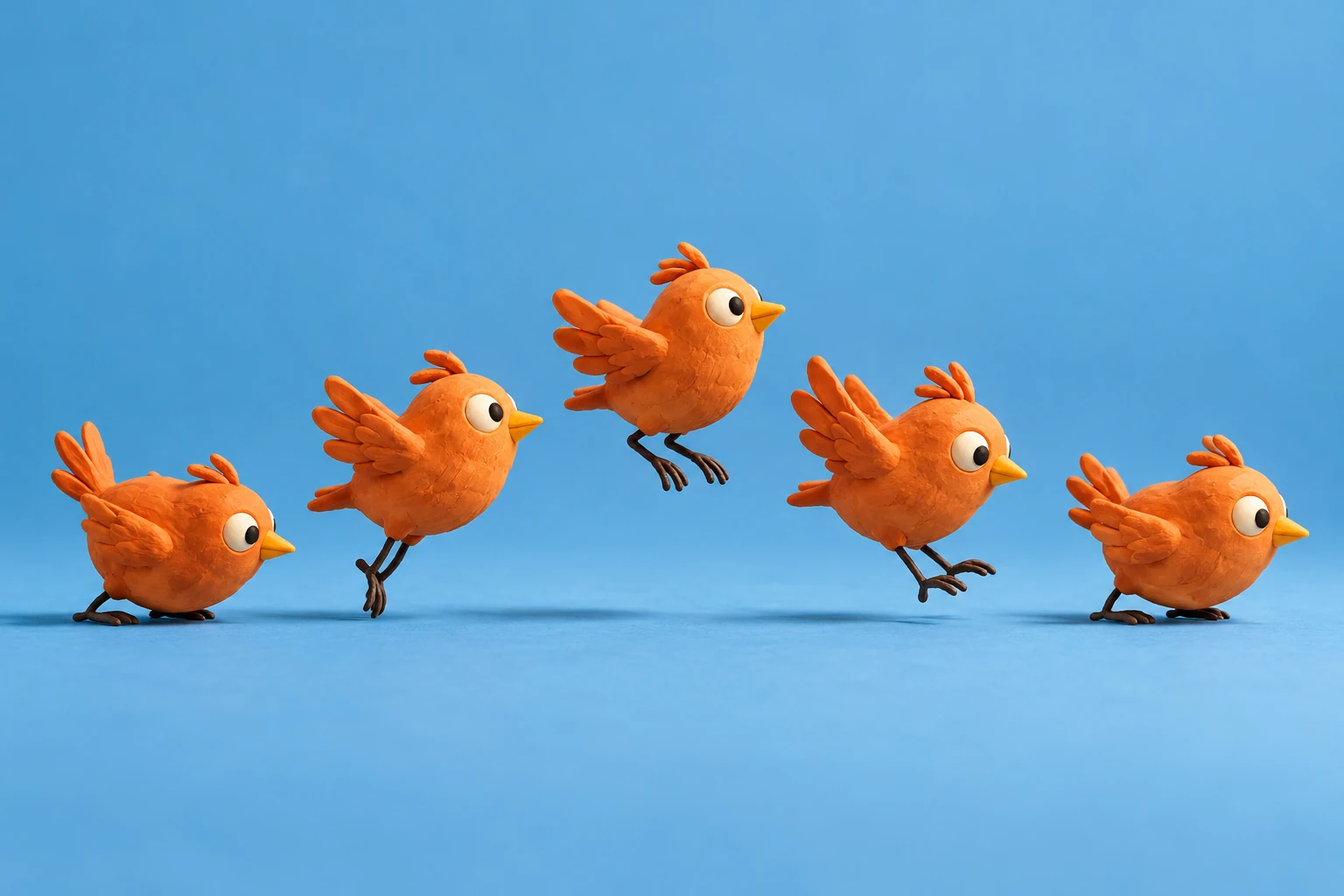
If one approach feels lifeless, decide whether it lacks expressive poses or simply needs different timing. Changing software will not fix an action whose important moment is missing. Conversely, avoid forcing a rigid cutout to perform a deformation that would be clearer through replacement drawings.
When the result becomes confusing, return number of visible transformation stages to its recorded starting point. Review the movement as a strip of still moments as well as in playback. Inspect the pose immediately before and after a confusing event.
Transform a square into a sailboat
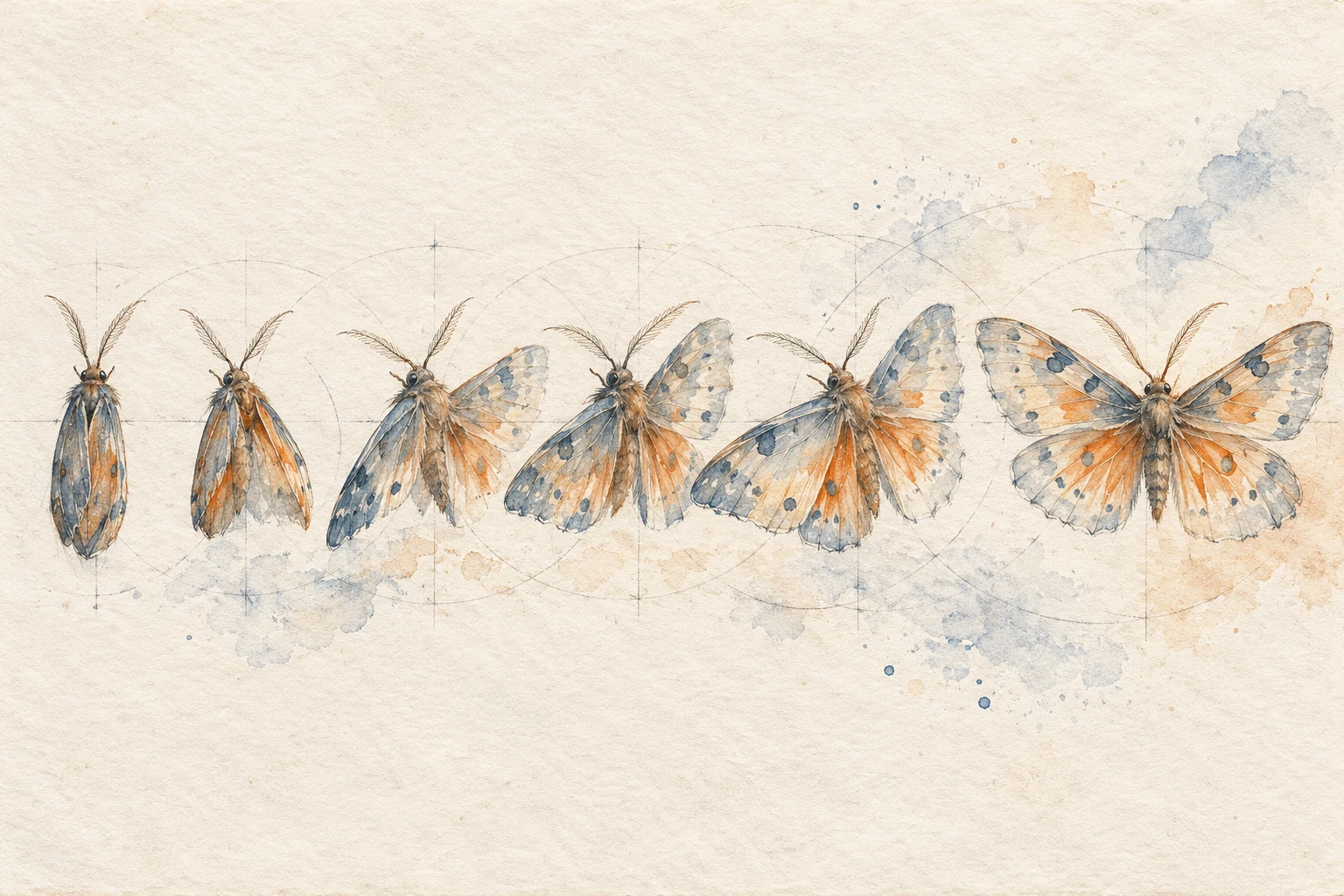
Use a square becoming a small sailboat as your test. Compare continuous bending, three replacement shapes, and a cut between states. Note what each treatment makes the viewer imagine between the visible moments.
Make three comparison versions using 3, 6, and 12 stages. Choose one visible feature to compare before starting. Inspect it across the entire set rather than letting the most dramatic result dictate the criterion afterward. Keep both a preferred version and a useful failed version, with a short note describing the difference between their behavior.
Compare the same event, not different ambitions
Keep the envelope experiment to one fixed view and the same three-second duration in every medium. Avoid giving the digital version a camera move while leaving the object version static. Such changes make the comparison about staging as well as method. List the exact transformation each version must show: closed envelope, opening, and released star. Judge how each medium handles those moments before considering extra effects.
An envelope releasing a star
Animate an envelope opening to release a star. Photograph the envelope as an object, then draw the star's movement over it. The mixed method gives the physical opening a tactile quality while letting the released shape move with an impossible lightness.
References & further reading
Examples and exercises in this guide are original teaching scenarios.