How to use a color wheel when planning a palette
Read a color wheel as a map of hue relationships, then translate its schemes into practical choices about area, lightness, and emphasis.
Follow a topic, look up a technique, or find an idea to try.
Read a color wheel as a map of hue relationships, then translate its schemes into practical choices about area, lightness, and emphasis.
Prioritize contact information, control small typography and spacing, and proof a business card as a physical object before approving its production file.
Compare text widths with real paragraphs, coordinate the measure with font size and spacing, and avoid narrow-column and long-line problems across formats.
Set a fixed viewpoint, use one vanishing direction for receding parallel edges, and check a simple room before adding furniture, decoration, and shading.
Plan validation timing, local error messages, an error summary, preserved answers, and system failures for an artwork submission form with realistic correction tasks.
Build a roadmap for a community studio service by connecting desired outcomes, evidence gaps, dependencies, and review points while separating commitments from exploratory possibilities.
Plan visible and assistive-technology feedback for saved references, filter updates, and failed actions, balancing useful announcements with focus continuity and avoiding repeated or misleading messages.
Turn interface instructions into realistic workshop-booking scenarios with clear starting conditions and outcomes, then remove labels and hints that would conceal navigation or comprehension problems.
Build a tiled geometric system by defining one cell, checking its edges, and introducing variation that respects the connections between neighboring tiles.
Give connected parts different stopping times so an action carries through a flexible object, using a flag study that separates the leading movement from its trailing response.
Build a one-button artwork around explicit press behavior, distinguishing a held state from a new action and handling physical switch noise before interpreting it artistically.
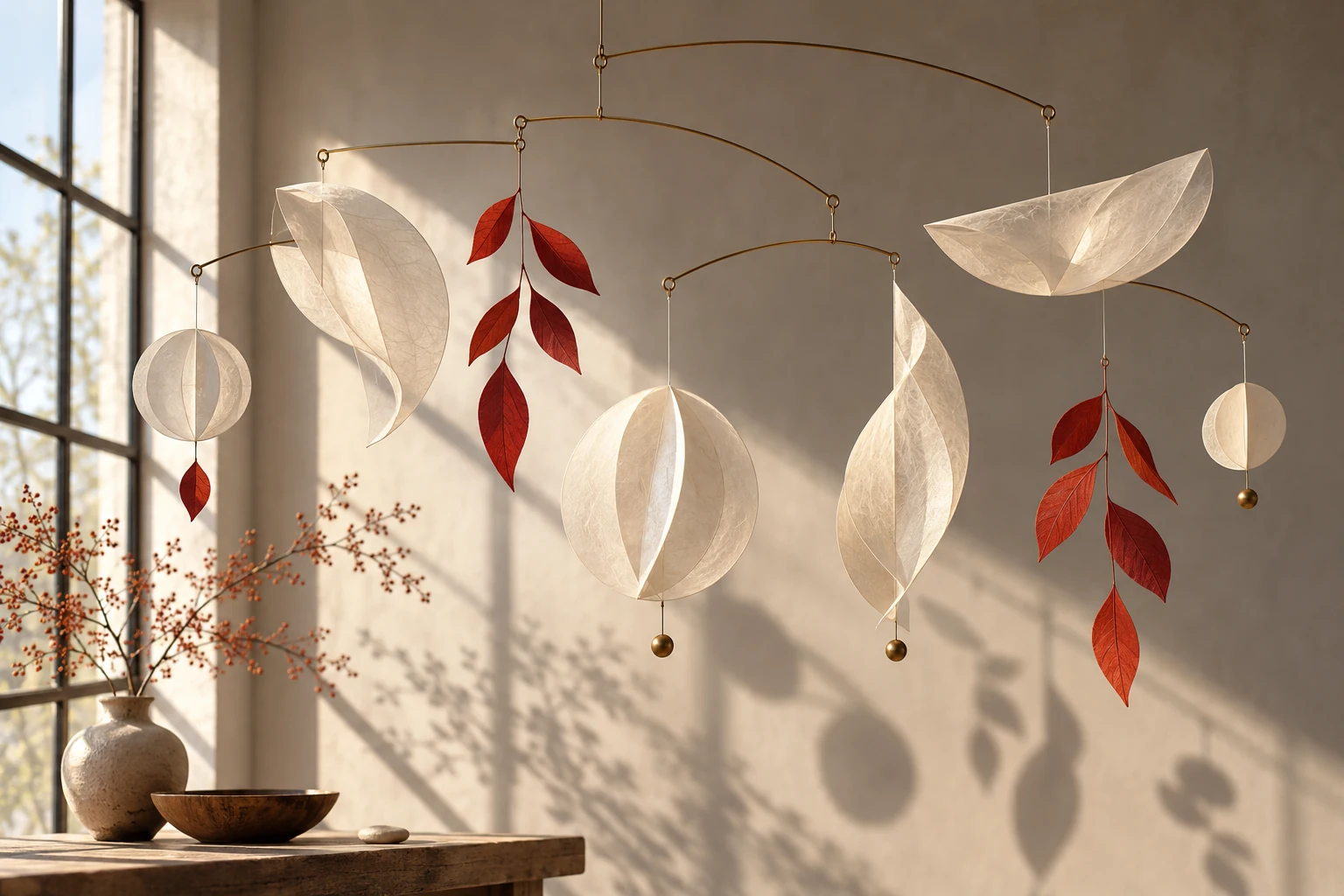
Create a moving sculpture from repeated paper elements, using a slow hand gesture to explore how a simple mechanism produces a larger wave or unfolding form.
Create visual variety within a single hue family by organizing lightness, intensity, edge treatment, and material texture around a clear focal area.
Create margins, columns, text styles, and image relationships that support extended reading while leaving room for different article lengths and visual pacing.
Select type size according to the actual face, reading distance, content, and output, then test practical samples instead of relying on nominal numbers alone.
Use two vanishing directions for a level-view corner setup, avoid cramped convergence, and troubleshoot box geometry before turning it into a building or object.
Distinguish a new collection, a filtered collection, and a loading failure, then write useful next actions that match each state without inventing content.
Document a studio cancellation feature through its problem, scope, rules, states, dependencies, and acceptance conditions so designers and implementers can resolve the same task.
Build a workshop-registration form with persistent labels, grouped questions, useful hints, clear requirements, and programmatic relationships, then check the task without relying on placeholders or proximity alone.
Prepare an interview guide about workshop preparation using recent examples, open prompts, neutral follow-ups, and consent, while avoiding speculative feature voting and invented participant stories.
Translate a written instruction into a reproducible drawing system and explore how a small exception changes the character of the entire image.
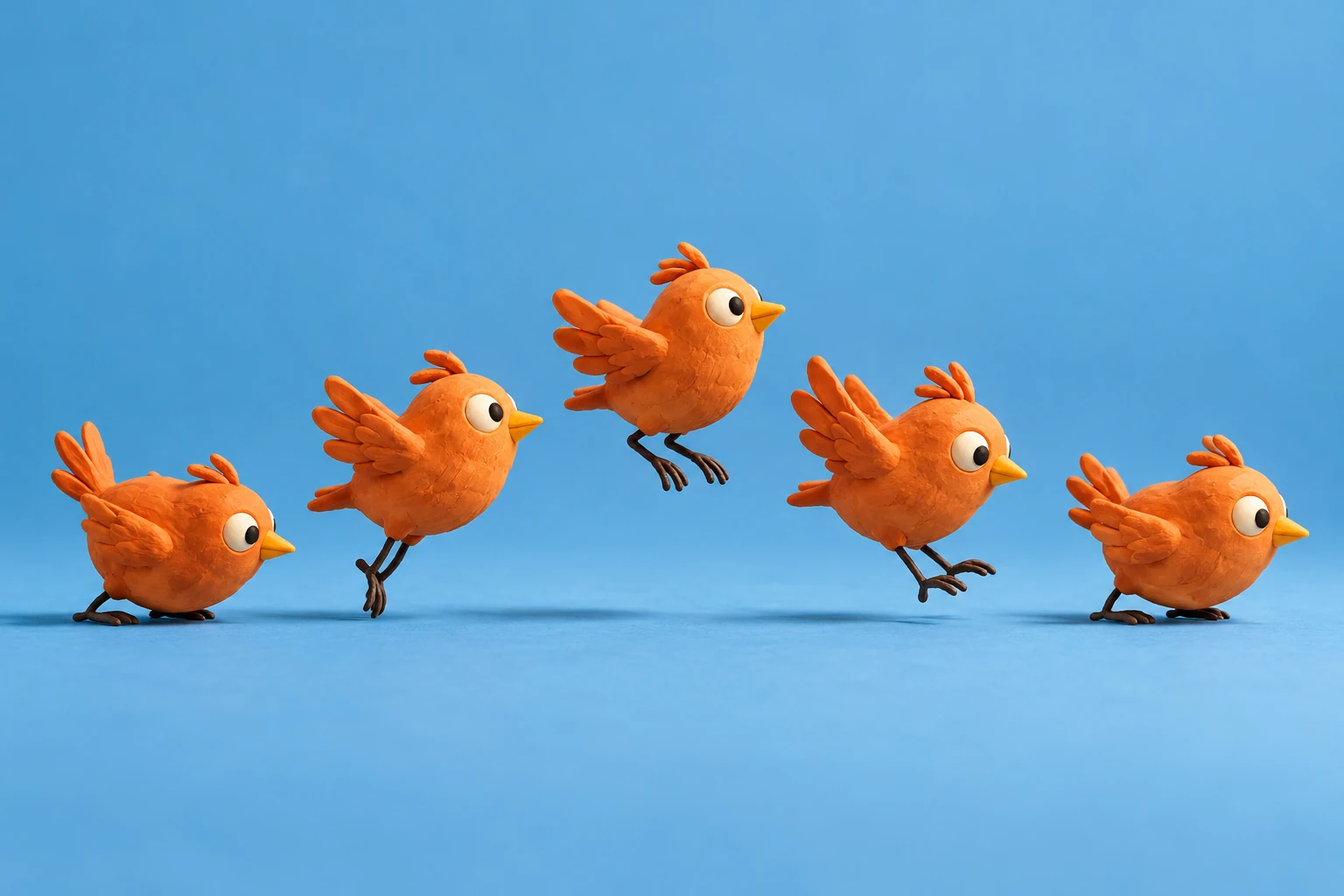
Plan and photograph a short object animation with stable framing, repeatable lighting, and small movement increments, then diagnose flicker and unwanted camera jumps.
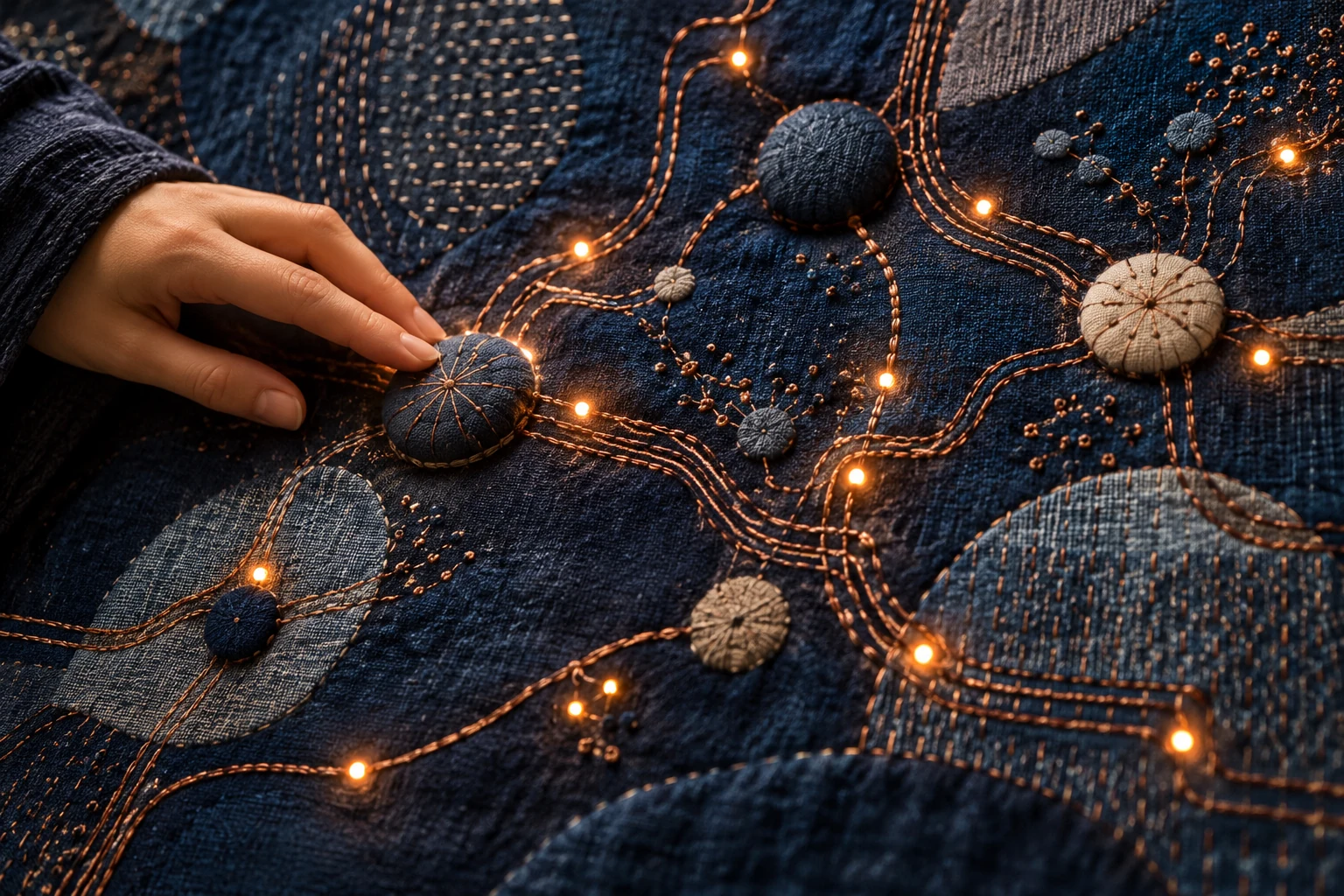
Prototype a fabric or foam switch as an expressive physical input, separating reliable contact from the decorative surface before connecting it to a modest low-voltage artwork.
Build a small layered scene around a cool ready-made light source, using spacing and material tests to control silhouettes, translucency, and the visibility of construction.