Rhythm and repetition: make a pattern lead somewhere
Use repeated shapes, varied intervals, and intentional breaks to create movement and structure in illustrations, posters, and decorative compositions at different scales.
Follow a topic, look up a technique, or find an idea to try.
Use repeated shapes, varied intervals, and intentional breaks to create movement and structure in illustrations, posters, and decorative compositions at different scales.
Distinguish trim, bleed, and safety margins, extend edge artwork correctly, and check a production file against the printer’s own specifications.
Check quotation marks, apostrophes, dashes, ellipses, and spacing as part of a consistent editorial system, while preserving code, measurements, and language-specific conventions.
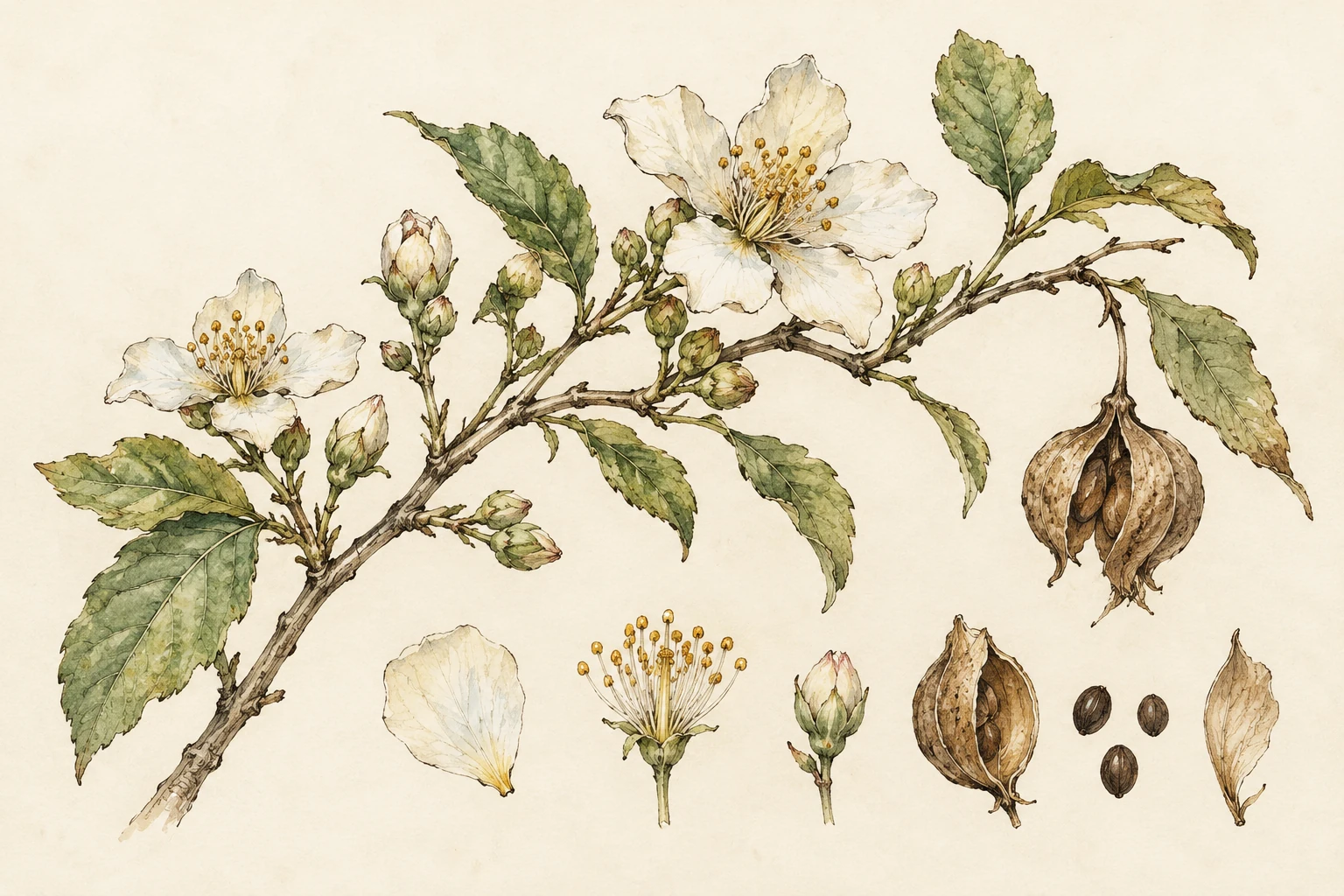
Map the flower’s direction, center, petal groups, and overlaps, then add selective detail without turning every bloom into a perfectly symmetrical symbol.
Apply progressive disclosure to workshop booking by separating essential terms, optional detail, conditional questions, and advanced controls while keeping consequential information available before commitment.
Structure a creative-service account around profile, communication, access, and data tasks, with clear save behavior, sensitive-change verification, confirmation, and reliable return paths.
Connect error descriptions, fields, summary links, focus behavior, and preserved answers in a workshop form, then test the correction route with keyboard and assistive technology.
Define a studio-service project through purpose, task, constraints, evidence, deliverables, decisions, and review conditions while distinguishing requirements from a predetermined solution and unsupported audience assumptions.
Translate an image you own into a field of marks by sampling brightness, keeping image coordinates, output spacing, and mark behavior under separate control.
Organize a short drawn cycle into consistent frame cells, keeping alignment and playback order clear enough to diagnose jitter before adding more animation states.
Use movable physical tokens to explore an artwork's state, prototyping the relationship manually so the objects' shapes and positions contribute to the experience.
Build a small spatial model that tests how an artwork occupies a room, using consistent scale and simple human figures to inspect approach, sightlines, and spacing.
Compare frames that change a picture’s subject, remove edge distractions, and preserve useful directional space without relying on a single formula.
Choose a recognizable concept, simplify its silhouette, coordinate a family of icons, and test small-size rendering with labels and realistic context.
Compare lining, oldstyle, proportional, and tabular figures, then select supported number features for readable tables, running prose, display prices, and reference labels.
Develop an original character from an action and role, test its silhouette and expressive range, and build a small reference sheet that supports consistent illustration.
Choose collection browsing behavior from the need to resume, compare, share, reach the footer, and preserve position, then prototype the return journey as carefully as discovery.
Make a studio-loan service trustworthy through accurate status, clear responsibility, understandable conditions, proportionate data requests, and recovery routes that the operation can actually deliver.
Design a workshop page whose content sequence remains coherent across wide layouts, narrow views, keyboard navigation, and assistive technology, then inspect visual reordering that hides a structural mismatch.
Record consequential design choices with their context, options, evidence, rationale, owners, and review triggers so a future teammate can understand the decision without reconstructing a meeting.
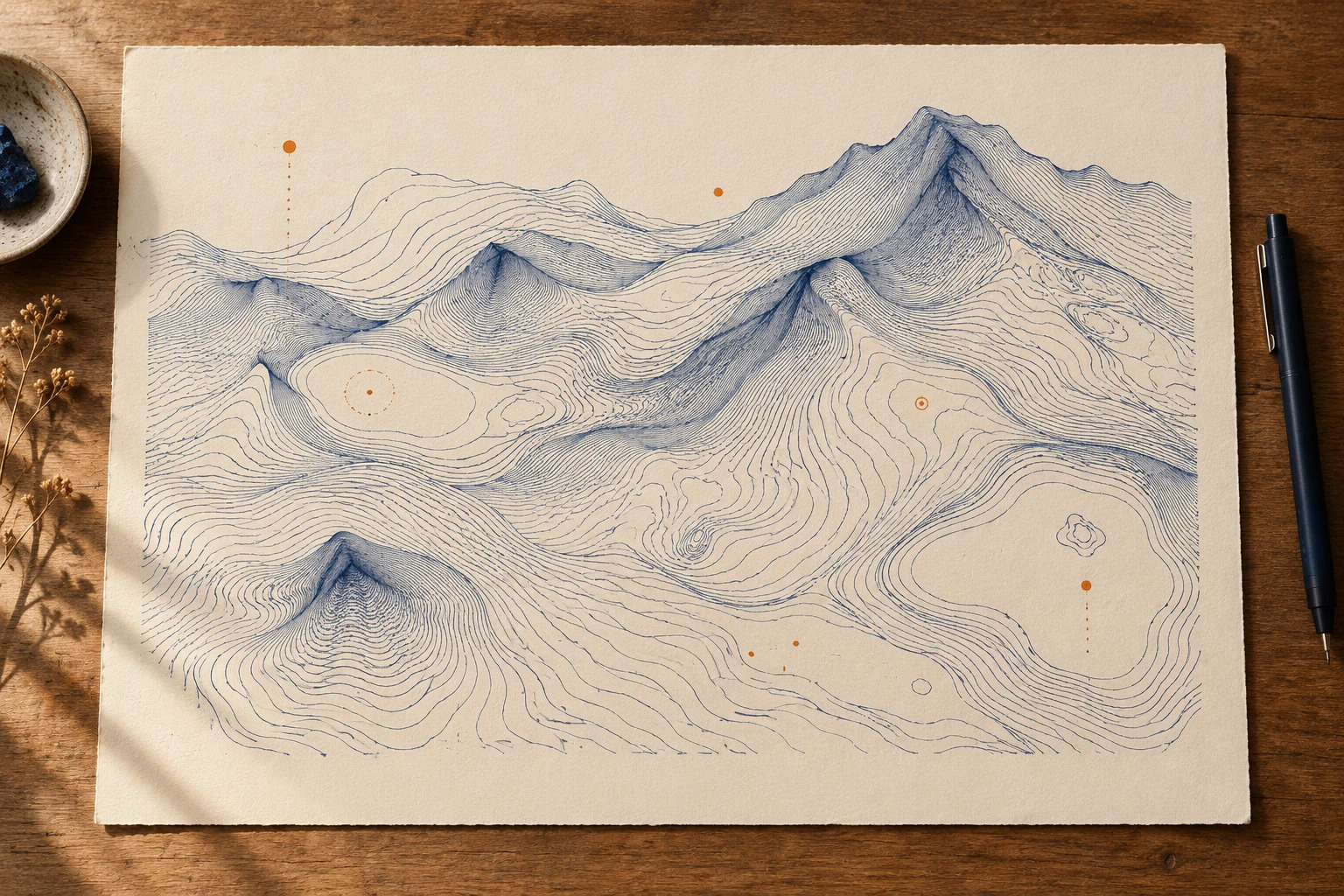
Build an invented landscape from a few related contour systems, using overlap and bounded variation to create depth without rendering a detailed scene.
Plan a compact sequence through visible changes and clear transitions, then test the story with rough frames before spending time on detailed artwork.
Create a participatory paper creature with an obvious action and a surprising response, keeping the mechanism visible enough for children to adapt the idea themselves.
Choose paper through small behavior tests rather than appearance alone, comparing folding, bending, translucency, and joining with the same simple samples.