Storyboard a short animation before polishing it
Plan a compact sequence through visible changes and clear transitions, then test the story with rough frames before spending time on detailed artwork.

Plan the change the audience must notice
A storyboard is a way to decide what changes and why the viewer will notice. For a short animation, a handful of rough frames can expose a missing event more effectively than a polished illustration. Draw what the audience must understand at each important moment.
Sketch setup, change, and consequence
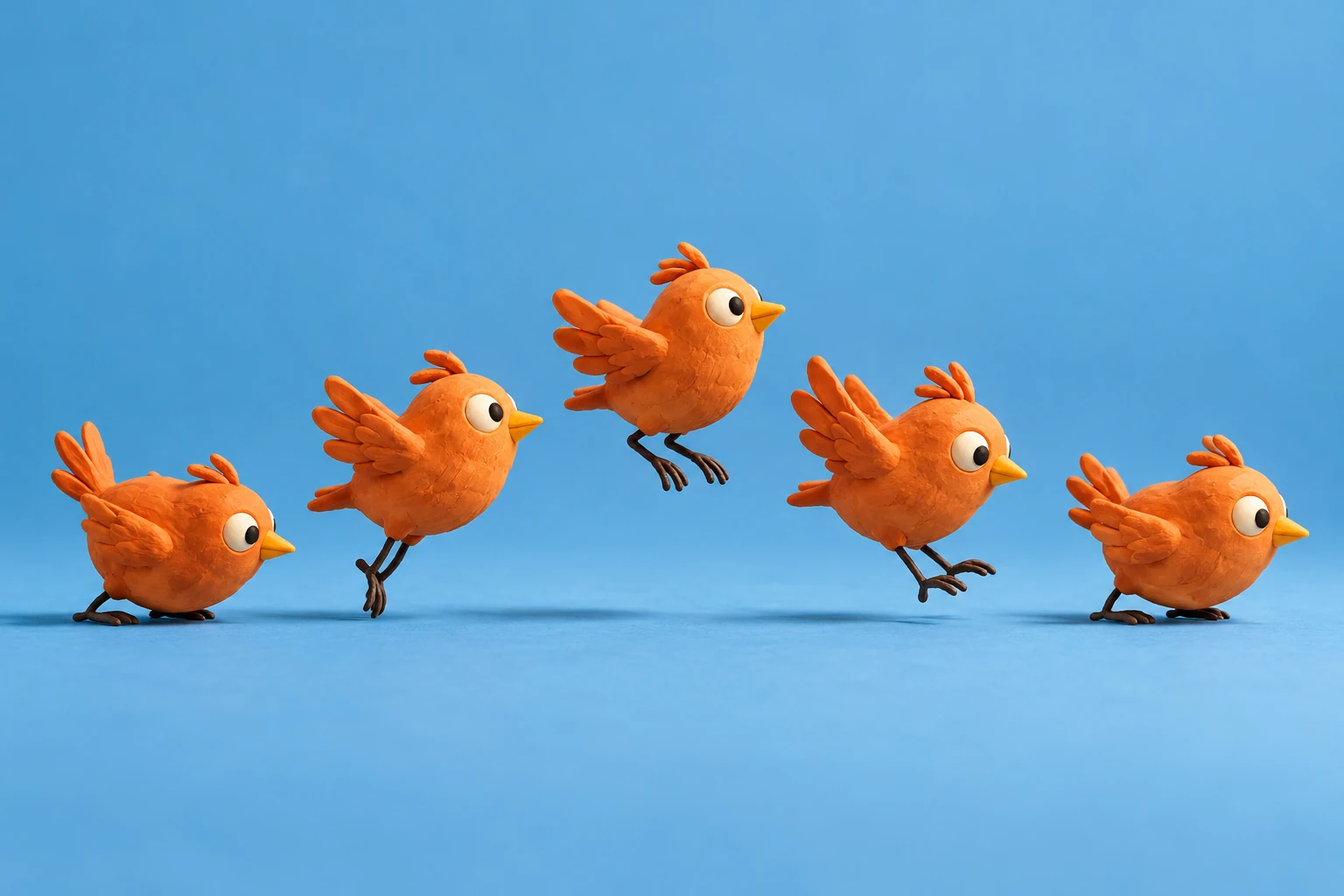
Write the action in one sentence, then divide it into setup, change, and consequence. Sketch only the frames necessary to show those beats. Add arrows where movement matters and note any essential pause. Keep decorative detail out until the sequence works as rough shapes.
Separate length of the central pause from the other decisions so that a later revision has an identifiable cause. Keep the first pass deliberately modest in scale. A manageable version is easier to inspect, undo, and reconstruct. Increasing complexity should answer a visible artistic need, rather than simply making the process look more elaborate. A useful acceptance check is whether the pause clarifies the change without making the sequence stall. Judge that at the intended viewing size or working distance, where tiny construction mistakes and exaggerated effects can have very different consequences.
Find repeated information and invisible causes
If two frames communicate the same information, combine them or create a more meaningful change. If the sequence requires a long spoken explanation, look for an invisible cause or missing reaction. The repair may be another beat rather than a more detailed drawing.
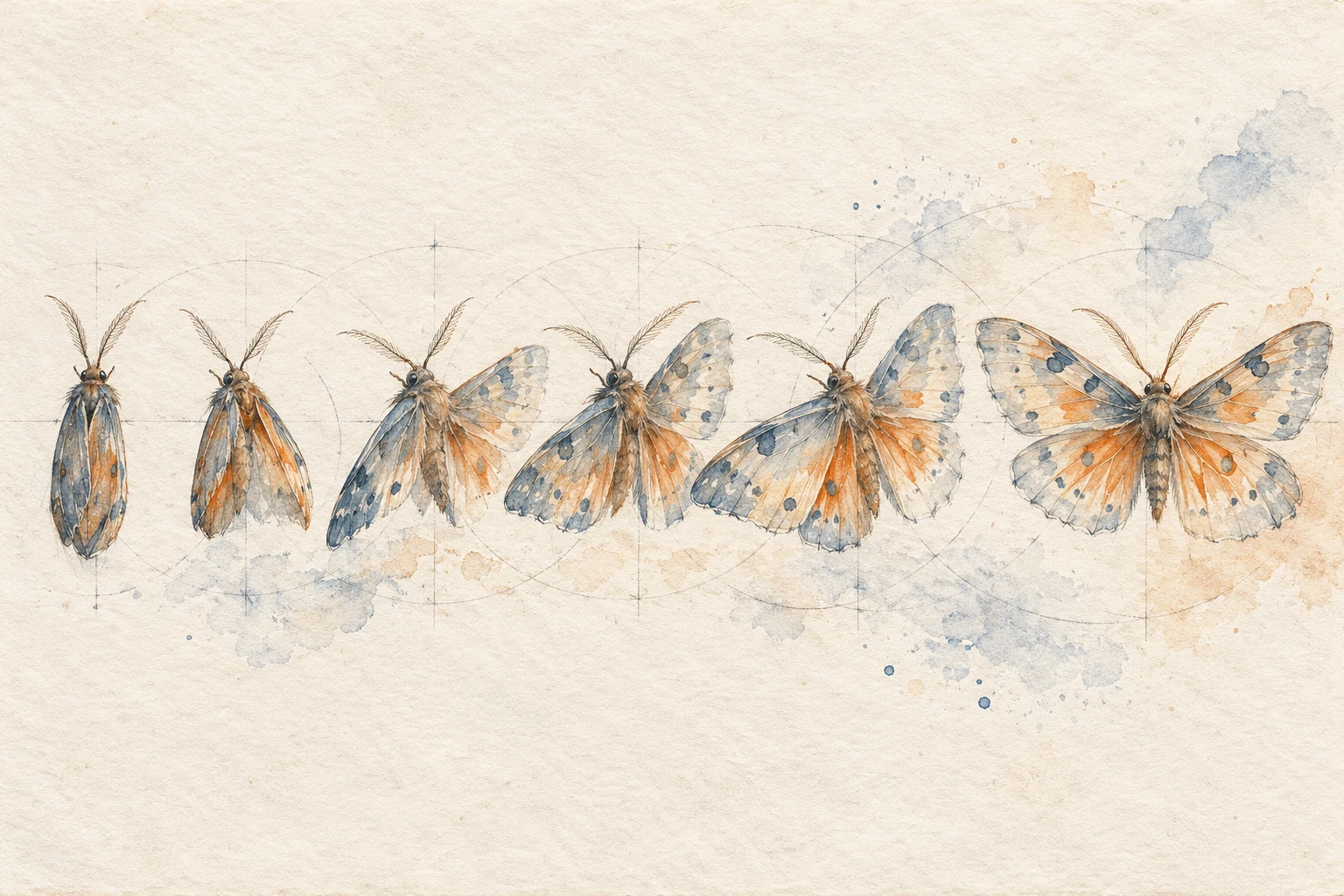
Treat a disappointing result as evidence about length of the central pause, rather than immediately adding another effect. Review the movement as a strip of still moments as well as in playback. Inspect the pose immediately before and after a confusing event.
Stage two discoveries of a floating stone
Storyboard a stone that discovers it can float. Try one sequence with an obvious push and another with an unexplained lift followed by surprise. Compare how changing the order of information changes the tone.
Use no hold, a brief hold, and a conspicuous wait as three deliberately separated trial conditions. Keep the subject, framing, and main materials consistent across those trials. Note what changes first, what remains stable, and where the intended effect becomes excessive. Choose a version for an articulated reason. A useful note names a visible relationship that you could inspect again, rather than simply calling the result better.
Turn the rough board into a timing test
Photograph or export the four boat storyboard frames and hold them for approximate durations in a simple slideshow. Give the hesitation its own interval rather than describing it in a note alone. Watch the sequence without reading the annotations. If the boat's decision is unclear, adjust the visible pose or the order of information before producing finished artwork. Rough timing can reveal a narrative problem that polished drawings would preserve.
A boat meeting a puddle
Plan a ten-second film about a paper boat meeting a puddle. Show the dry boat, the first contact, a brief hesitation, and the final drift. Turn those rough frames into a simple timed slideshow to check whether the hesitation earns its place.
References & further reading
Examples and exercises in this guide are original teaching scenarios.